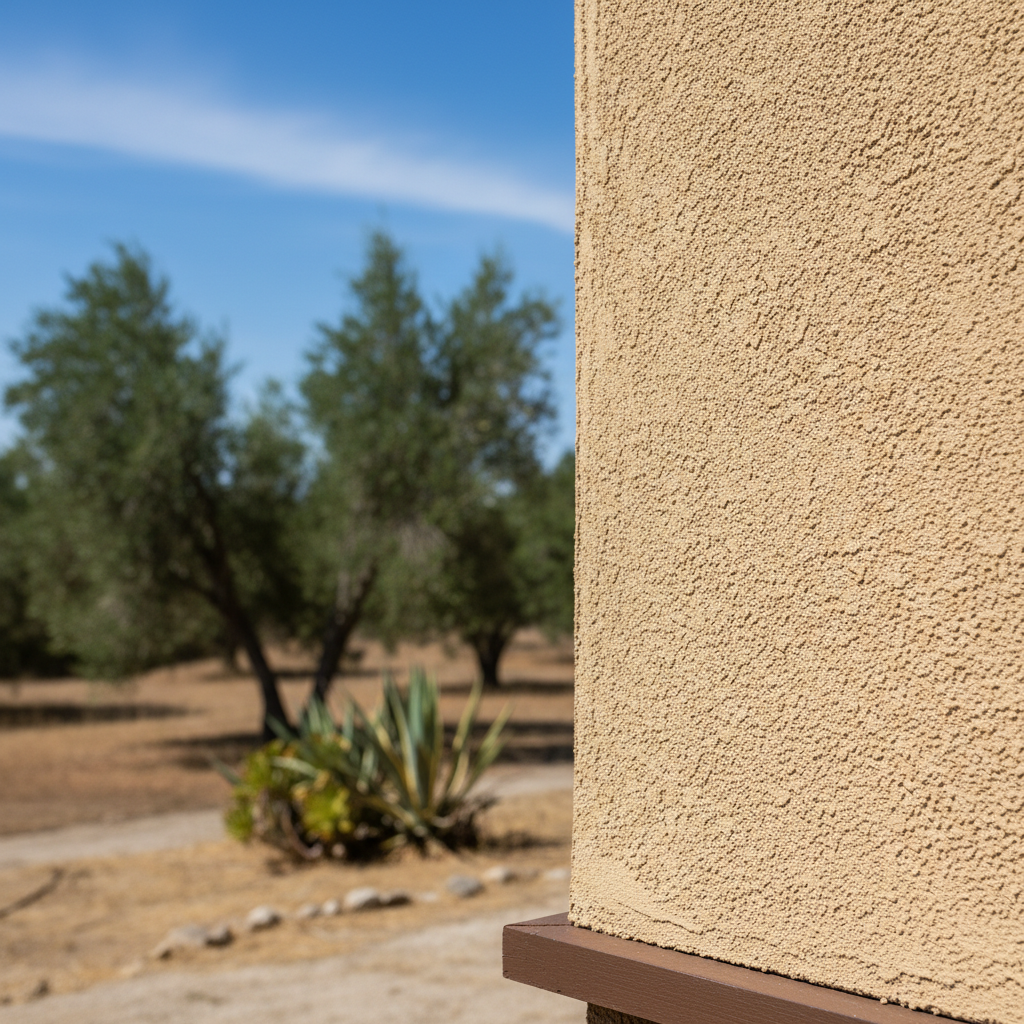
Got questions about giving your home's stucco a fresh coat? You're definitely not alone. I chat with homeowners all over Temecula constantly who are trying to figure out if redashing is the right move for their place. It's a big decision, after all, and you want honest answers, not just someone trying to sell you something.
So, I've pulled together some of the most common questions people ask me about stucco redashing. This isn't just marketing speak; it's what I've seen and learned from working on houses right here in our community for years.
What exactly is stucco redashing, anyway?
Okay, let's get this straight first. Redashing isn't about tearing everything off. It's basically putting a brand new finish coat of stucco right over your existing, solid stucco. Think of it like giving your house a fresh new skin. We're not ripping everything down to the sheathing. Instead, we prep the old surface, make sure it's clean and stable, and then put on a new layer — usually the finish coat — to change its color, texture, or just freshen up how it looks.
How do I know if my stucco needs redashing or a full replacement?
This is probably the question I hear most often. The big difference really comes down to what kind of shape your current stucco is in. If you've got cracks everywhere, water getting in, or sections that are peeling away from the wall (we call that delaminating), then redashing probably won't cut it. You'd just be putting a new coat over a foundation that's already failing, and honestly, that's just throwing money away. But if your stucco is pretty sound — no major cracks, no signs of water damage — but it's faded, stained, or you simply can't stand the color or texture anymore, then redashing is a perfect fix. I always recommend a really thorough inspection first, by the way. We'll check for structural integrity, any drainage problems, and hidden issues. For example, if you have a bunch of hairline cracks but no moisture problems, we can usually take care of those during the prep work for a redash.
Can redashing fix all types of stucco damage?
Nope, not everything. Like I just mentioned, redashing is really for cosmetic stuff or minor wear and tear on the surface. It works wonders for fading, light staining, or if you want to completely change the color or texture. It can also cover up very small, superficial cracks. But if you're dealing with deep, structural cracks, areas where the stucco is crumbling, or serious water damage that's gotten behind the stucco, redashing just won't do. You'd need to repair those underlying problems first, which might mean cutting out sections and patching them, or in worse cases, a full replacement of that specific area. Sometimes, especially in older homes around places like the Meadows or Rancho Bella Vista, you might find spots where the original stucco wasn't applied perfectly, and a redash can help smooth things out, but it won't fix major structural flaws.
What kind of textures and colors can I choose for a redash?
The sky's pretty much the limit here! That's actually one of the best parts about redashing. You can totally transform your home's look. You're not stuck with the old texture or color. We can go from a smooth finish to a sand finish, a dash finish, or even a Santa Barbara texture. As for colors, modern stucco systems offer a huge range. You can pick something that really complements your roof and landscaping, or go for a completely new vibe. We'll usually bring samples so you can see how the color looks in the Temecula sun before you make a final decision. It's a fantastic way to boost your home's curb appeal without the expense of a full tear-off.
How long does a redashing project usually take?
The timeline really depends on your house's size, how complex the architectural details are, and of course, the weather. Generally, for an average-sized home here in Temecula, you're looking at anywhere from a few days to a week or two. That includes all the prep work — cleaning, minor repairs, masking everything off — and then the actual application of the new finish coat. We always try to work efficiently, but we never rush the job. Stucco needs proper curing time, especially with our hot, dry summers, so we always factor that in. You definitely don't want to cut corners and end up with problems later on.
Is redashing more affordable than a full stucco replacement?
Absolutely, yes. In almost every single case, redashing is way more cost-effective than replacing your stucco entirely. When you go for a full replacement, you're paying for the demolition of the old stucco, disposal fees, new lath, new scratch and brown coats, and then the finish coat. With redashing, you're mainly paying for the prep work and the new finish coat material and labor. It saves a ton on materials and labor for those underlying layers, and you get to skip the mess and disruption of a full tear-off. It's a fantastic way to get a fresh look for your home without completely emptying your wallet.
How long will a redashed stucco finish last?
If it's done right, a redashed stucco finish can last for decades. We're talking 20, 30, even 40 years or more, just like a brand new stucco installation. The key is making sure the existing surface is prepped correctly, using high-quality materials, and having experienced people apply it. You also need to keep up with basic maintenance — things like making sure your sprinklers aren't hitting the walls directly, keeping your gutters clear, and fixing any small cracks that might pop up over time. Here at Temecula Stucco Co, we really stand behind our work because we know the quality of our materials and the skill of our crew truly make all the difference in how long it lasts.