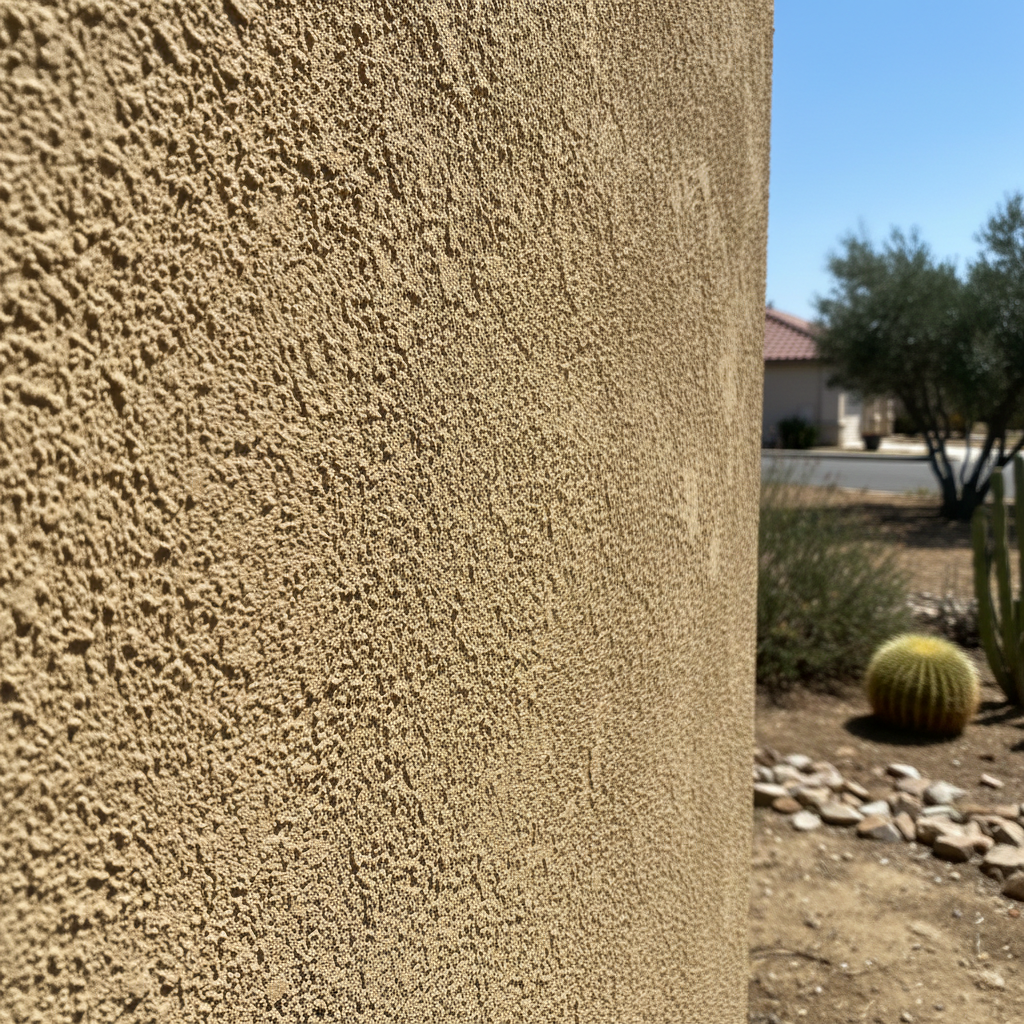
Painting stucco isn't like painting drywall. It's a whole different ballgame, especially out here in Temecula where the sun beats down and the Santa Anas kick up dust. Over the years, working with homeowners all over places like Meadowview and the Wine Country, I've heard pretty much every question under the sun about refreshing stucco with a new coat of paint. So, I figured I'd tackle some of the most common ones right here.
Do I really need to clean my stucco before painting? Can't we just paint over it?
Absolutely, you need to clean it. This isn't an optional step; it's critical. Think of it this way: if you paint over dirt, dust, spiderwebs, and mildew, that paint isn't sticking to your stucco. Nope, it's sticking to the grime. That means it's going to peel, chip, and fail way sooner than it should. We're talking about a significant investment here, and skipping the wash is just throwing money away.
We typically pressure wash the entire exterior. It's not just about getting rid of the obvious stuff, either. We're also removing chalky residue from old, weathered paint and any efflorescence — those white, powdery salt deposits that can sometimes appear on masonry. If we don't clean it right, your new paint job won't last, and you'll be calling someone else (or us again!) a lot sooner than you planned.
What kind of paint is best for stucco in Temecula?
This is a big one. You can't just grab any old exterior paint. Stucco needs paint that's flexible, breathable, and able to stand up to our intense UV rays. I always recommend high-quality elastomeric or 100% acrylic latex paint specifically designed for masonry. Elastomeric paints are fantastic because they're super flexible. They can stretch and bridge hairline cracks in the stucco, which is a common issue with our shifting soils and temperature swings. This helps prevent moisture intrusion and keeps your stucco looking good longer.
100% acrylic latex paints are also a solid choice. They offer excellent adhesion, breathability, and color retention. They resist fading and chalking, which is crucial when you've got that Temecula sun beating down all summer. Whatever you do, avoid oil-based paints on stucco. They don't breathe well, and that can trap moisture, leading to bubbling, peeling, and other headaches down the road.
How long does stucco paint usually last here?
With proper preparation and high-quality paint, you can expect a good stucco paint job to last anywhere from 7 to 15 years, sometimes even longer. It really depends on a few factors: the quality of the paint used, how well the surface was prepped, and the specific exposure your home gets. A south-facing wall in direct sun all day is going to weather faster than a north-facing wall that's mostly shaded. Regular maintenance, like occasional cleaning, can also help extend its life.
Can I change my stucco color dramatically, like from dark to light or vice versa?
Absolutely, you can. But it's not as simple as just slapping on a new color. If you're making a big change, especially going from a dark color to a very light one, or vice-versa, it might require an extra coat of primer or paint to ensure full coverage and true color. Sometimes, a high-quality primer tinted to your new color can make a huge difference in achieving the desired result in fewer coats. We'll always discuss this during the estimate so you know exactly what to expect.
What about cracks in my stucco? Do those need to be fixed before painting?
Yes, absolutely. Painting over cracks is like putting a band-aid on a broken bone. It might look okay for a minute, but it doesn't solve the underlying problem. Any cracks, especially those wider than a credit card, need to be properly repaired before painting. We'll fill them with an appropriate caulk or patching compound that's flexible and compatible with stucco. If we don't, water can get in, cause more damage, and eventually lead to the paint failing in those areas. It's part of the prep work Temecula Stucco Co. always includes.
Is there a best time of year to paint stucco in Temecula?
The shoulder seasons are usually ideal: spring and fall. You want to avoid the extreme heat of summer, especially July and August, because paint can dry too quickly, leading to poor adhesion and an uneven finish. The humidity is also lower then, which is good. You also want to steer clear of the rainy season, typically late fall through winter, because paint needs dry conditions to cure properly. Moderate temperatures, generally between 50 and 85 degrees Fahrenheit, and low humidity are perfect for exterior painting. That gives the paint enough time to penetrate and bond correctly.
Will painting my stucco help with insulation or energy efficiency?
Not significantly, no. While a fresh coat of light-colored paint can reflect some sunlight and potentially reduce surface temperatures a little, it's not going to act as an insulator in the same way insulation in your walls does. Its primary job is protection and aesthetics. If you're looking for serious energy efficiency improvements, you'd be better off looking at things like attic insulation, window upgrades, or even exterior insulation and finish systems (EIFS) rather than just paint.
Hopefully, this clears up some of those nagging questions you might have about painting your stucco. It's a big job, and getting it right means your home looks great and stays protected for years to come. If you've got more questions or you're ready to get a quote, just give us a shout.